
WeSolve educational guide · Small business content
A finished project can be more than a single announcement. Small businesses can share the outcome, then follow up with the thinking and work behind it—creating a useful two-part story from something they have already done.
This approach does not guarantee reach, leads, or sales. It gives an audience a clearer picture of the work and helps a small team plan another relevant post without inventing a new campaign from scratch. The key is to make the second piece add context, not repeat the first.
The practical idea: First explain what changed or became available. A few days later, show how the work came together, what decisions mattered, or what someone else can learn from the process. Choose a project you can discuss honestly and share publicly.
Watch the original WeSolve Short
The Short’s useful lesson is to separate the result from the process: tell people what happened, then return with the work behind it. This guide develops that idea for small-business content planning. It does not rely on the Short’s time-sensitive Tesla example or its claims about views and attention.
Why one project can support more than one useful post
An announcement answers a basic question: what is new, finished, or available? A process story can answer different questions: how did the team approach it, what choices were made, and what should a customer know before taking a similar step?
For example, a hypothetical local bakery might announce a new catering menu, then share how it tests packaging for delivery. A home-service business might introduce a maintenance option, then explain the inspection steps that inform its recommendations. The value is in the practical detail—not in claiming that one post caused a particular business result.
Think of the second post as added explanation. If it merely repeats the announcement with a different photo, it is unlikely to help someone understand more.
1. Pick a project with a clear, shareable lesson
Start with work that is complete enough to discuss and relevant to the people you want to reach. It does not need to be a major launch or a dramatic transformation. A common customer question, a useful improvement, a new service detail, or a behind-the-scenes step can be a good starting point.
Before drafting, ask:
- What question might a customer have about this work?
- Can we explain the outcome in specific, accurate terms?
- Is there a process detail that would help someone make a decision?
- Do we have permission to show any people, property, customer information, or partner materials?
If the work involves a customer, get approval before sharing their name, logo, quote, location, images, or identifying details. When permission is not available, use a genuinely generic example or discuss the method without implying that a real customer endorsed it.
2. Make the first post about the outcome
Keep the opening post simple. Give enough context for someone to understand why the update matters, then make the next step clear. A useful structure is:
- Context: What need, question, or project prompted the work?
- Outcome: What can the business now offer, explain, or do?
- Customer relevance: Who may find it useful, and why?
- Next step: Where can someone see the details or ask a question?
Use language that matches what you can verify. A completed website update can be described as a new page or clearer service information; do not turn that fact into an unmeasured claim about more bookings. If you share a project result, explain its scope and basis instead of implying that one example predicts everyone’s results.
3. Return with the process behind it
After the initial announcement has had time to stand on its own, share a follow-up post with new information. The Short suggests waiting a few days; treat that as a flexible editorial cue, not a rule. Choose timing that suits the audience, channel, and project.
A process-focused follow-up might show:
- the sequence of steps involved, using only details you can share;
- a decision the team had to make and the practical reason for it;
- a common question or misconception the work helped clarify;
- a checklist or small tip someone can apply to their own situation; or
- a lesson learned, including a limitation or trade-off where relevant.
For a service business, that could mean showing how a team prepares a project, what a customer should have ready, or how a recommendation is developed. Avoid presenting confidential internal material, customer data, or an unapproved testimonial as “behind the scenes.”
4. Adapt the story to the format and channel
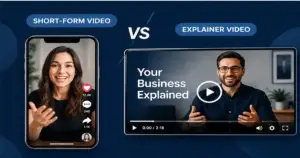
The same lesson can be expressed in different ways, but it should not be copied everywhere without considering how people use each channel. A short vertical video can show a quick sequence. A carousel can separate the problem, process, and takeaway into readable slides. A short email can answer a customer question and link to the relevant service page.
For each format, keep one main idea and one next step. Add captions to video so the point remains understandable without sound, use readable text in graphics, and write descriptive image text when an image carries information. If you want a deeper content plan, WeSolve’s content marketing strategy service explains how content can be organized around audience needs and business goals.
5. Distribute it consistently without relying on ads
Organic distribution still takes time and effort, and there is no guaranteed level of visibility. Start with channels your business already maintains and where the intended audience is active. Share the first post and the follow-up with enough space between them to make each useful on its own. Link to a relevant service or resource when it genuinely helps the reader.
Team members can share a post in their own voice if they choose, and partners can participate when they have a real role and agree to the plan. Avoid asking people to imitate engagement or making the post look like an independent endorsement. If the story features another business or a paid relationship, disclose that connection clearly and follow the platform’s rules.
A steady, manageable rhythm is more useful than promising to publish everywhere. Choose a schedule your team can keep, keep the original assets organized, and note which questions come back from the audience. These observations can guide later content without treating likes or views as proof of revenue.
Measure attention separately from business outcomes
Decide what you want to learn before publishing. Reach, video plays, saves, and comments can help describe audience activity. Relevant inquiries, completed bookings, or sales are separate outcomes and require their own tracking. A view or click does not establish that a person became a customer.
Compare like with like: use the same reporting period, platform definitions, and tracking method when reviewing the two posts. If a post is meant to answer a service question, consider whether people opened the linked page or asked a relevant follow-up. Keep conclusions modest when the sample is small or other factors may explain the response.
A two-part content checklist
- Choose a completed project with a useful customer-facing lesson.
- Confirm facts, permissions, privacy, and any partner approvals.
- Write the first post around the context, outcome, and next step.
- Plan a follow-up that adds process detail or practical advice.
- Pick one or two formats your team can produce well.
- Use a relevant destination link and a clear, natural call to action.
- Track attention separately from inquiries, bookings, or sales.
- Review what questions people ask and use them to shape future content.
Build a practical content plan
WeSolve helps businesses turn audience questions and real expertise into a manageable content strategy. Explore our content marketing services or talk with WeSolve about a useful next step.
This guide explains an educational content-planning approach; it does not promise reach, leads, or sales. The business examples are hypothetical. The embedded WeSolve Short contains a time-sensitive Tesla example and performance claims that this article does not repeat or independently verify. Source video: How Small Businesses Can Build Attention Without a Huge Advertising Budget.